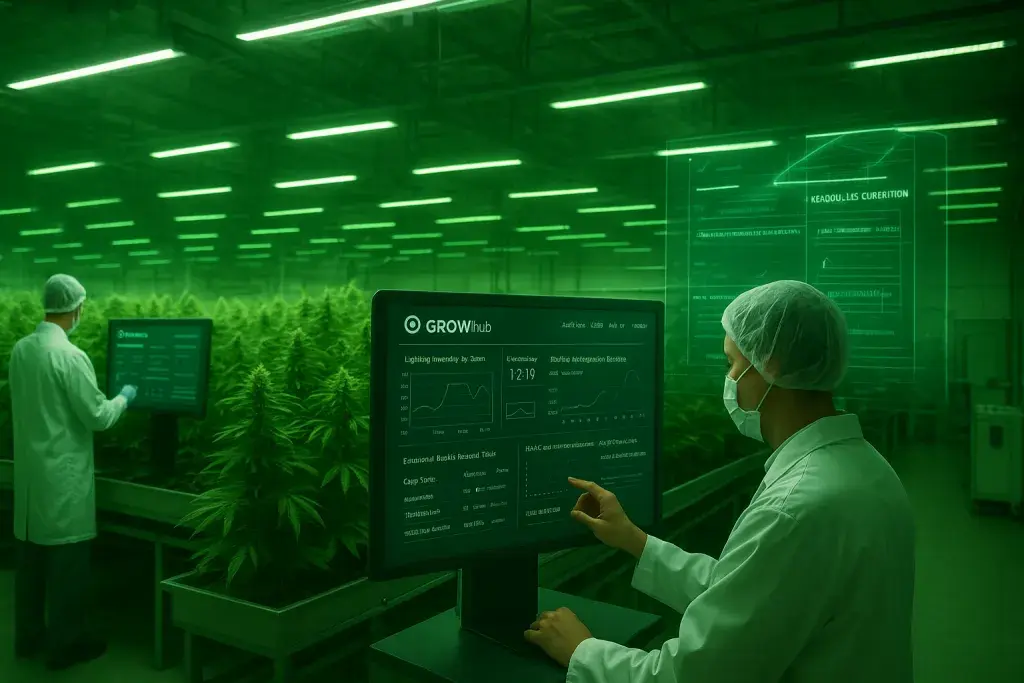
TSRgrow has rolled out a significant expansion of GROWHub, its cultivation software platform, adding energy monitoring, expanded batch-record tools, Metrc integration and Building Management System connectivity ahead of 2026. The update pushes GROWHub further past its original role as a lighting-control tool and toward something closer to an operations hub for commercial grow facilities. For multi-state operators juggling separate systems for lighting, environmental monitoring and regulatory reporting, that consolidation is the real story here.
Cultivation compliance has always been a patchwork exercise. Growers track plant tags, environmental conditions and batch histories through one system, then re-enter much of that same information into a state track-and-trace platform to satisfy regulators. That duplication eats staff hours and creates room for error - a mismatched batch record or a missed data entry can turn into a compliance headache during an audit. Software vendors across the industry, including platforms like cannabis tracking software virginia operators rely on for seed-to-sale reporting, have been building toward the same goal: fewer disconnected systems, more unified recordkeeping. TSRgrow's move to integrate Metrc directly into GROWHub's batch-record functionality fits that broader industry pattern.
Why Batch Records and Metrc Integration Matter
Batch records are not paperwork for paperwork's sake. They are the documentation trail regulators and, increasingly, financial partners and insurers use to verify how a crop was actually grown - what lighting recipe was used, what environmental conditions prevailed, what deviations occurred. Expanded batch-record capabilities inside GROWHub let cultivation teams organize that information around individual crop cycles rather than reconstructing it after the fact from spreadsheets. Tying that data to Metrc, the track-and-trace system most license holders already report through, reduces the manual re-keying that tends to introduce discrepancies. Fewer discrepancies mean fewer flags during compliance reviews, and in a business where a single reporting error can trigger regulatory scrutiny, that matters more than it might sound.
Energy Data as an Operational Lever
The energy-monitoring piece deserves attention on its own. Indoor cultivation is an energy-intensive business, full stop. Lighting, HVAC and dehumidification represent a meaningful share of operating costs for any indoor or greenhouse facility, and utility rates are not moving in a favorable direction in most markets. By pairing GROWHub's lighting control with Remote Power infrastructure, TSRgrow lets operators see energy consumption alongside cultivation data - lighting intensity by zone, photoperiod schedules, yield outcomes - rather than pulling that information from a separate utility dashboard weeks later. That kind of visibility turns energy from a fixed cost operators simply absorb into a variable they can actually manage against production strategy.
What This Signals for Operators Ahead
The timing is not incidental. As federal rescheduling discussions continue and state regulators tighten reporting expectations, operators with clean, traceable production records will be better positioned than those still relying on manual logs and disconnected controls. That is true for routine state audits and would become more true under any future federal oversight regime. Consolidating cultivation control, energy data and compliance workflows into one system will not fix an operator's compliance program by itself - that still depends on trained staff and disciplined recordkeeping. But it does remove some of the friction that leads to avoidable errors, and in cannabis cultivation, avoidable errors are usually the ones that cost the most.