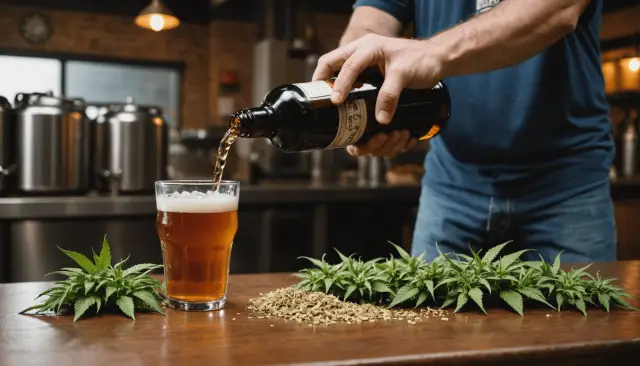
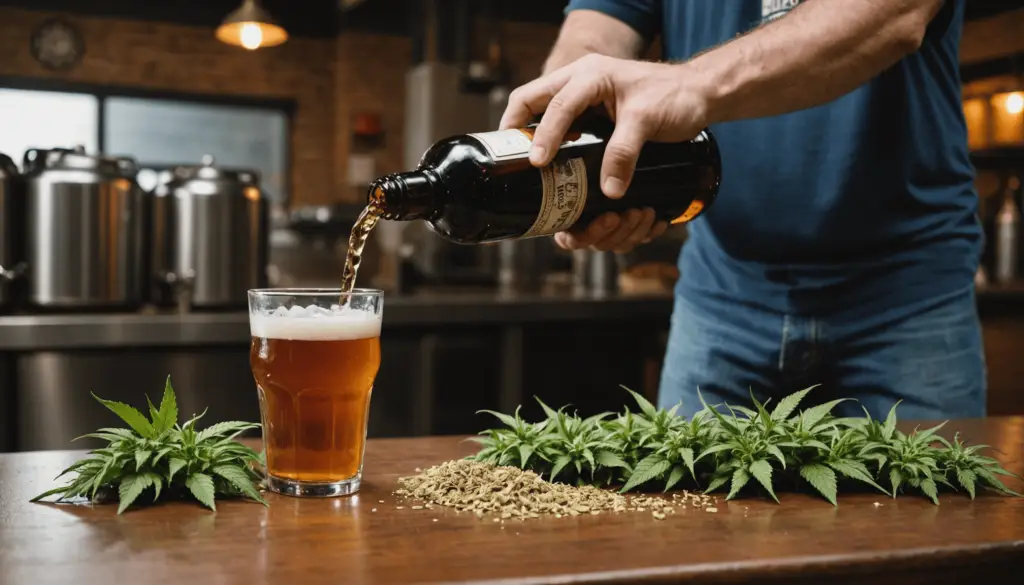
A Cincinnati brewer's expansion into THC-infused seltzers has turned into a case study in how fast state policy can upend a compliant hemp beverage business. Bobby Slattery, who runs Fifty West Brewing Company, launched Sunflower THC seltzers in 2024 and quickly became one of the largest sellers of THC-infused drinks in Southwest Ohio. That growth trajectory hit a wall when Gov. Mike DeWine moved to restrict the category statewide, forcing operators into court just to keep product on shelves.
The timeline matters here because it shows how quickly a functioning wholesale channel can be disrupted by a single executive order. On Oct. 8, DeWine announced a 90-day ban on intoxicating hemp products sold in gas stations, tap rooms and retail shops - the kind of low-THC beverage that had been moving through convenience and grocery channels much like beer or seltzer. Then came Senate Bill 56, signed Dec. 19, which initially offered breweries and retailers a grace period through 2026. DeWine vetoed that provision, and the drinks became illegal to sell after March 20. For operators managing wholesale menus, distribution contracts and inventory across multiple retail accounts, that kind of whiplash isn't just an inconvenience - it's a direct hit to cash flow and shelf commitments already locked in with retail partners. It's a different regulatory environment than markets with dedicated licensed dispensary infrastructure, where systems like cannabis retail point of sale new mexico platforms are built around adult-use compliance frameworks rather than the hemp-derived loophole Ohio's beverage makers have relied on.
Why Hemp Beverages Sit in a Legal Gray Zone
THC seltzers like Sunflower exist because of a federal carve-out: hemp-derived products with low delta-9 THC content, sold under the 2018 Farm Bill framework, don't require the same licensing structure as state-regulated adult-use cannabis. That's allowed breweries, bars and even gas stations to sell intoxicating beverages without seed-to-sale tracking, METRC reporting or the excise tax structure that licensed dispensaries operate under. States have taken notice, and Ohio isn't alone in trying to close what regulators view as an unregulated backdoor into a市場 that otherwise requires strict compliance. The tension is straightforward: hemp beverage makers argue they're operating legally under federal law, while state officials worry about age verification, potency labeling and consumer safety standards that don't match what's required of licensed cannabis retailers.
What the Court Fight Means for Operators
On Aug. 7, U.S. District Judge Jeffrey Helmick granted a 14-day restraining order letting 14 businesses - including Fifty West and fellow Cincinnati brewer Rhinegeist - resume sales while their lawsuit against the state proceeds. A separate July 13 injunction covering Cincinnati-based Urban Artifact and others runs on a similar track. Neither ruling settles the underlying question. Both simply buy time.
For operators, that's a precarious place to run a business. Inventory planning, wholesale pricing and retail partnerships all depend on regulatory certainty that, right now, doesn't exist. A brewery can build a compliant packaging line, secure lab testing and a COA for every batch, and still lose shelf access overnight if a governor's veto or a court ruling goes the other way. That's the operational reality facing hemp beverage makers nationwide: the product may be legal today and restricted tomorrow, with little room to plan inventory or manage retail relationships around that uncertainty.
Broader Implications for Retail and Compliance
- Retailers carrying hemp-derived THC drinks face sudden delisting risk tied to state-level rule changes, not just federal policy.
- Age verification and product labeling standards for hemp beverages often lag behind those required of licensed cannabis dispensaries.
- Multi-state brands should expect inconsistent treatment of hemp-derived THC products state by state, complicating distribution and wholesale contracts.
- Litigation, rather than legislation, is increasingly deciding whether these products stay on shelves in the short term.
The Ohio dispute is a reminder that hemp-derived intoxicating beverages occupy a different compliance category than licensed cannabis retail, even though consumers may not draw that distinction at the point of sale. Until state and federal rules align - or a court settles the matter for good - operators selling THC drinks outside the licensed dispensary system should expect more of this: sudden bans, temporary reprieves and a wholesale channel that can shift under their feet with little warning.