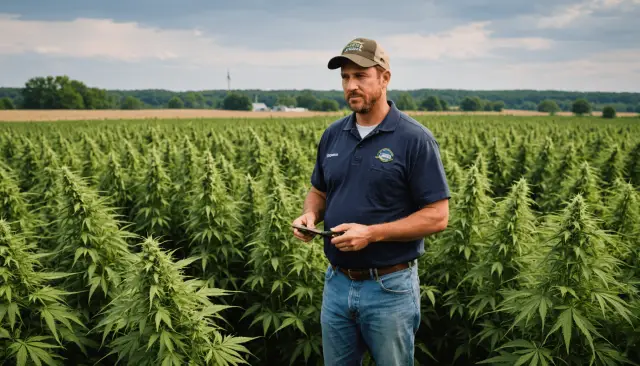
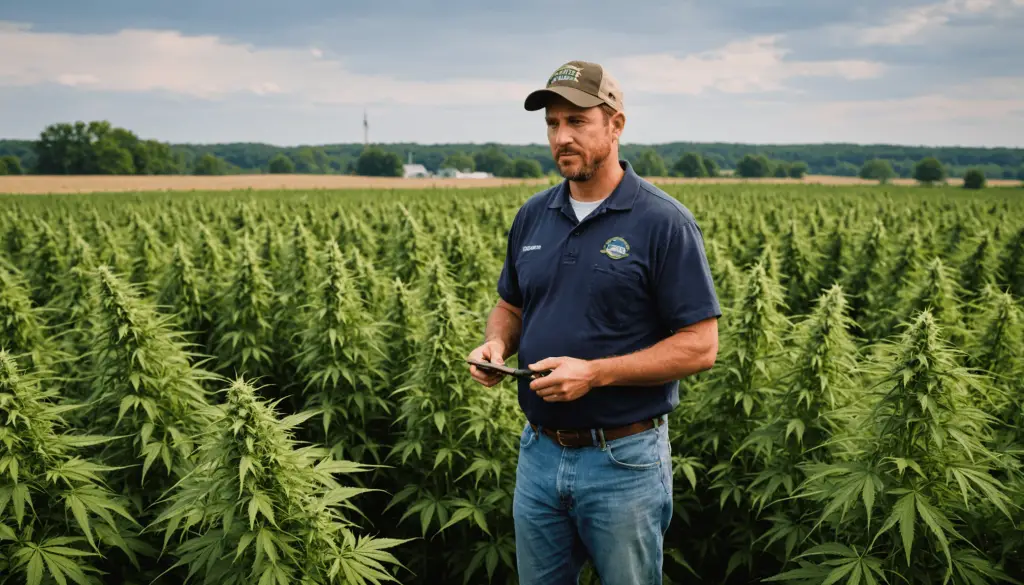
A Lancaster County hemp entrepreneur is watching Washington closely this fall, as Congress weighs a December deadline that could reshape-or eliminate-large parts of the hemp products industry. Jake Sitler, founder of Endo and president of the Pennsylvania Hemp and Cannabis Guild, sells CBD-based drinks, gummies and topicals that also contain small amounts of Delta 9 THC, a combination that has become legally and politically fraught since lawmakers closed a hemp loophole tied to the 2018 Farm Bill.
The mechanics matter here. Hemp-derived products with less than 0.3% Delta 9 THC by dry weight have operated in a regulatory gray zone for years, sold in gas stations, wellness shops and dedicated retail stores without the licensing structure that governs adult-use or medical cannabis dispensaries. That's a very different compliance environment than what a state-licensed cannabis retailer faces, where seed-to-sale tracking, COA verification, and point-of-sale systems built for regulated markets-think platforms like pos cannabis minnesota operators use to manage inventory and tax reporting-are standard operating procedure. Hemp retailers, by contrast, have largely operated outside that infrastructure, which is exactly what's drawing scrutiny now.
Why Regulators Are Losing Patience
Pennsylvania Attorney General Dave Sunday has pointed to the core problem: companies producing intoxicating hemp products without the oversight that applies to licensed cannabis businesses. No mandatory age verification at point of sale in many outlets. No consistent lab testing requirements. No packaging standards comparable to what adult-use dispensaries must follow. State lawmakers have used the phrase "wild west" to describe the sector, and the concern isn't abstract-unregulated intoxicating products reaching minors is a real consumer-safety gap, not a talking point.
Sitler says he already posts 21-and-over signage in his stores and supports regulation rather than prohibition. That distinction-regulation versus an outright ban-is where the real policy fight sits. A licensing and testing framework would push hemp retailers toward the same compliance backbone that cannabis dispensaries already carry: batch testing, verified potency labeling, and tighter inventory controls. A ban, on the other hand, would wipe out sales channels overnight for farmers and small operators who built businesses on a legal product line.
What's at Stake for Farmers and Small Retailers
Hemp cultivation in Pennsylvania supports an agricultural supply chain that predates the current controversy-farmers growing biomass, processors extracting cannabinoids, and retailers building wholesale menus around CBD and minor cannabinoid products. A federal ban wouldn't just close stores; it would collapse demand further up that chain, leaving growers with contracts and crops tied to a market that no longer legally exists.
That's the compromise Sitler and the Pennsylvania Hemp and Cannabis Guild are pushing for: rules that separate responsible operators-age-gated sales, tested products, clear labeling-from the bad actors regulators keep citing. Whether Congress lands on that middle ground before December, or opts for a blanket restriction, will determine if Pennsylvania's hemp sector becomes a regulated adjacent industry to cannabis retail, or simply disappears.