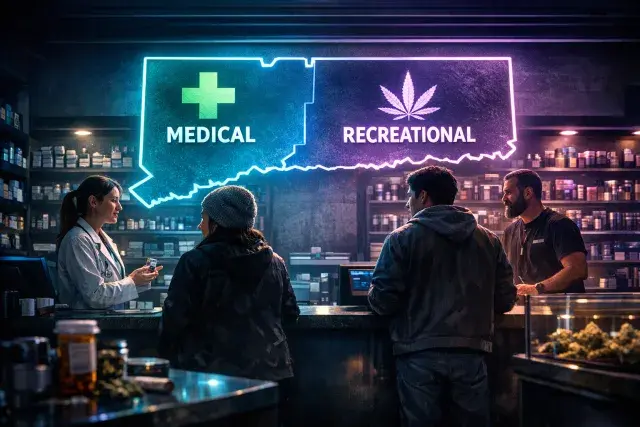

Citigroup's strongest third-quarter revenue in a decade, reported this week under CEO Jane Fraser, is a traditional banking story on its face. But for cannabis operators, wholesalers, and payment providers who have spent nearly a decade locked out of mainstream financial services, the health of major national banks matters more than it might seem. A bank's willingness to take on new categories of risk - or not - shapes which doors stay closed to plant-touching businesses.
Why Big Bank Strength Rarely Reaches Dispensary Counters
Here's the catch: a stronger, more disciplined Citigroup doesn't automatically translate into friendlier terms for cannabis retailers. Federal illegality under the Controlled Substances Act still keeps most money-center banks on the sidelines, regardless of how well their core businesses perform. Fraser's restructuring - trimming consumer banking in over a dozen markets, consolidating into five core business lines, cutting management layers - is about sharpening focus on segments with reliable, compliant revenue. Cannabis, even where state-legal, does not fit that profile for an institution with national charter exposure and international regulatory obligations.
That's why dispensary operators still rely heavily on state-chartered credit unions, niche fintech processors, and cash-management services built specifically around cannabis compliance. Seed-to-sale tracking systems like METRC generate the audit trail regulators want, but they don't solve the banking access problem. A bank's internal risk appetite does that - and large institutions have shown little appetite to move first.
The AI Conversation Banks Are Having - and Cannabis Isn't Yet
Fraser spent part of her appearance at Fortune's Most Powerful Women Summit discussing how artificial intelligence is reshaping fraud detection, client service, and internal risk management at Citi. Banks of that scale are now mandating AI training across tens of thousands of employees and building automated tools to flag cybersecurity vulnerabilities in real time.
Cannabis retail technology is years behind that curve, and for understandable reasons. Point-of-sale systems in licensed dispensaries are still primarily focused on core compliance functions: verifying age at the register, logging batch and COA data, managing inventory against state limits, and preventing shrinkage. Few cannabis-specific software vendors have the balance sheet or regulatory clearance to build fraud-detection infrastructure anywhere near what a bank like Citi is deploying. That gap matters because payment security and transaction trust are exactly the areas where cannabis retail remains most exposed, given its continued dependence on cash-heavy operations and limited access to standard card networks.
What Operators Should Actually Watch
The practical takeaway for multi-state operators and compliance teams isn't that Citigroup's earnings directly affect them. It's that large bank behavior is a leading indicator. When major institutions tighten risk discipline and prioritize only businesses that clear strict compliance thresholds - as Fraser's "beat the best" standard implies - that bar for cannabis access gets higher, not lower, absent federal rescheduling or banking reform.
- Federal illegality continues to block most national bank relationships, regardless of state legalization status
- 280E tax treatment still limits standard deductions for plant-touching businesses, squeezing margins further
- Cashless payment options remain limited and legally ambiguous in many states
- Compliance technology investment in cannabis lags well behind traditional banking and retail sectors
In practice, though, nothing about Citi's results changes the near-term picture. Dispensary owners should keep treating banking access as a standalone compliance risk to manage directly, not a trend that will loosen on its own.