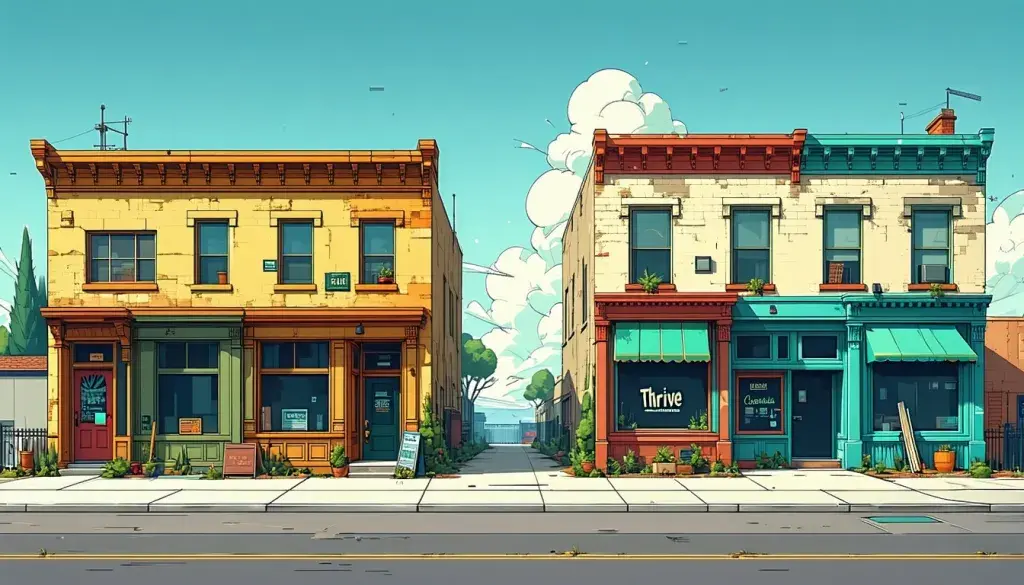
A marijuana dispensary and a substance abuse recovery facility are set to become next-door neighbors in Reno - separated by 15 feet - unless the city council intervenes. On September 11, the Reno City Council will vote on whether to approve a new location for Thrive Cannabis Marketplace at 7300 S. Virginia Street, a former Butcher Boy meat store that sits immediately adjacent to The Empowerment Center, the only state-licensed halfway house in Northern Nevada. The center's leadership is urging a denial, and the vote is shaping up as a referendum on a gap in Nevada's cannabis siting laws that nobody, until now, was forced to confront directly.
A Legal Gap Wide Enough to Walk Through
Nevada law and Reno municipal code lay out a fairly specific set of buffer zones for cannabis dispensaries: 1,000 feet from schools, 300 feet from community facilities, 2,500 feet from other dispensaries, and - under a 2019 legislative addition - 1,500 feet from casinos. An independent surveyor confirmed in February that the proposed Thrive location clears every one of those thresholds. Here's the catch: nowhere in state law or city code does a buffer zone exist for substance abuse treatment centers or halfway houses.
The Empowerment Center is not zoned for residential use, even though it houses 24 residents. That distinction matters legally. Residential zoning would have triggered additional protections; without it, the facility exists in a kind of regulatory grey zone - physically functioning as a home for people in recovery, but categorized in a way that leaves it exposed. The result is a facility that the law treats as something other than what it functionally is.
City staff acknowledged the gap but also flagged that the council has "broad authority and discretion" to deny a privileged marijuana dispensary license when doing so serves the welfare, health, or safety of the city. The standard isn't toothless - the council would need good cause and a substantial factual record - but it is flexible enough to act if members choose to.
What Proximity Actually Means for People in Recovery
The Empowerment Center's board member and executive director put the concern plainly in a letter to the council: proximity to a dispensary could compromise clients' sobriety, undermine work already done, and trigger relapse at one of the most fragile points in the recovery process. They specifically raised the issue of smell - the distinctive odor that can emanate from a dispensary's retail floor and processing areas - as a potential environmental trigger, not just a symbolic objection.
That's not a marginal concern. In addiction medicine, environmental and sensory cues associated with substance use are well-established relapse triggers - a category that includes sights, sounds, smells, and the presence of the substance itself or anything closely associated with it. Halfway houses exist precisely because the transition from a controlled treatment environment to independent living is high-risk; the structure they provide is meant to reduce exposure to those triggers while clients rebuild routines and support systems. Placing a retail cannabis outlet 15 feet from the front door works directly against that logic.
The counterargument - that cannabis is now a legal, regulated product available throughout the state - doesn't really address the clinical question. Legality and therapeutic risk are separate issues. Alcohol is legal; no one would argue that siting a bar next to a recovery facility is neutral. Cannabis may carry a different profile than alcohol or opioids, but for individuals whose substance use disorder involves cannabis specifically, or whose general addiction vulnerability is still being managed, the proximity presents a real and specific problem.
The Empowerment Center Wants More Than a Denial
Beyond asking the council to block this particular application, The Empowerment Center and its supporters are pushing for a new municipal rule: an explicit prohibition on dispensaries opening within 600 feet of any substance abuse treatment center or halfway house. That ask transforms a single land-use dispute into a policy proposal - and a reasonable one, given what the existing buffer zone framework has already conceded about the logic of spatial separation.
The city has acknowledged that proximity to schools, other dispensaries, and casinos warrants legislated distance. Recovery facilities serve a population at least as vulnerable as any of those interests suggest. The absence of protection for them reads less like a deliberate policy choice and more like an oversight - something the legislature and city planners simply didn't anticipate when drafting the initial framework during the early years of Nevada's regulated cannabis market.
Thrive Cannabis Marketplace had not responded to a request for comment by press time; its website still lists the Reno location as "coming soon." Whether the company anticipated the conflict with its proposed neighbors - and what, if anything, it intends to do about it - remains an open question. The September 11 vote will answer the immediate one. The broader policy fix, if the council chooses to pursue it, would take longer.
A Vote That Sets a Precedent Either Way
Cannabis legalization has moved faster than the regulatory infrastructure built to manage it. Buffer zone frameworks were constructed early, amended incrementally, and - as this case shows - leave particular categories of sensitive use unaddressed. Reno is not unique in that respect; jurisdictions across the country with regulated cannabis markets are working through similar conflicts, often on a case-by-case basis before any formal rule exists.
What makes this vote significant is precisely that it's being forced in the open. The council can deny the license and explicitly create a record that supports a future ordinance protecting recovery facilities. It can approve the license and accept that the current framework, as written, permits this outcome. Or it can try to thread some middle path - though in this particular dispute, 15 feet doesn't leave much room for one. The Empowerment Center's clients don't get to wait for the policy process to catch up. They're living with it now.