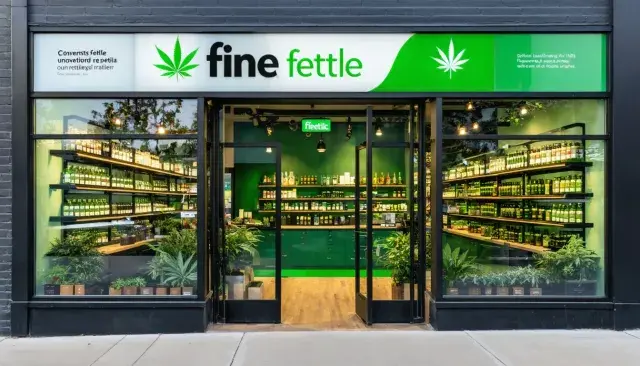
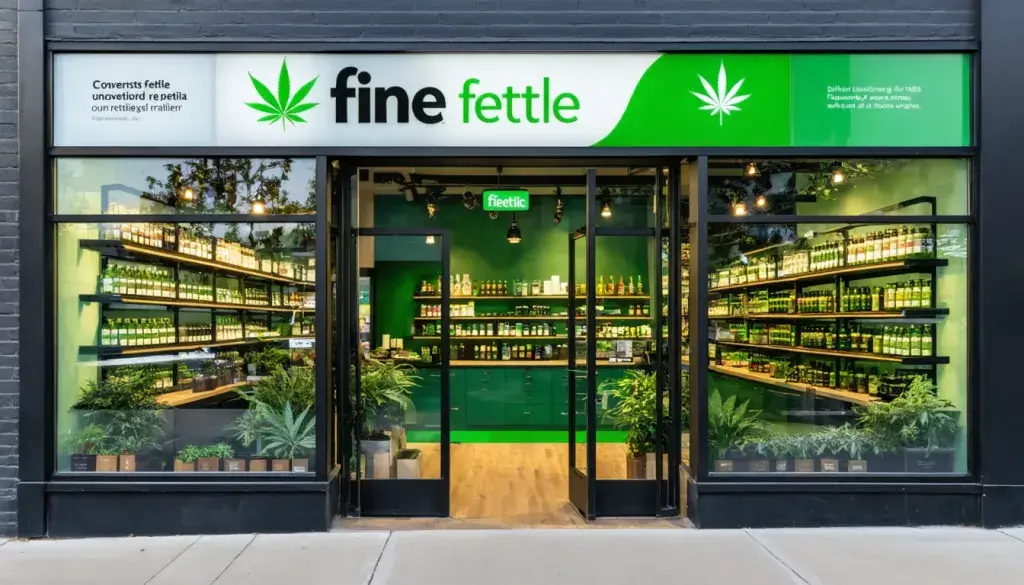
Fine Fettle has transformed its nine Connecticut dispensaries into hybrid facilities, enabling each to serve both registered medical marijuana patients and adult-use customers. This shift follows a recent state law change that permits such dual operations. The move expands access in a market where medical patients previously faced limited options.
Connecticut's Shift Toward Integrated Cannabis Access
Connecticut established its medical marijuana program in 2012, providing relief for patients with qualifying conditions. Voters approved adult-use cannabis in 2021 through a ballot initiative, creating a recreational market alongside the existing medical framework. State regulators recently authorized hybrid retailers, allowing licensed dispensaries to cater to both groups without separate facilities. This policy adjustment addresses gaps in service, particularly in regions underserved by standalone medical outlets.
Preserving Medical Care Amid Expansion
“This change allows us to continue fulfilling our mission of accessible, compassionate care while strengthening the state’s medical program,” Benjamin Zachs, chief operating officer of Fine Fettle, said. “By bringing all of our locations under a hybrid model, we can serve patients and customers alike — without sacrificing the quality, expertise and personal touch that define Fine Fettle. In many regions where we operate, there have not been options for medical patients to increase access. We’re changing that.” Hybrid operations maintain specialized support for patients, such as verification processes and product recommendations tailored to health needs, even as recreational sales grow.
Strategic Expansion and Market Implications
Fine Fettle, operating across multiple states, positions itself at the forefront of this transition by unifying its Connecticut footprint under one model. The conversion streamlines operations, potentially boosting revenue that supports the medical program's sustainability through taxes and fees. For consumers, hybrid sites offer convenience, reducing the need to seek separate providers. This development signals a maturing cannabis industry in Connecticut, where integrated services could normalize access and foster competition among retailers.