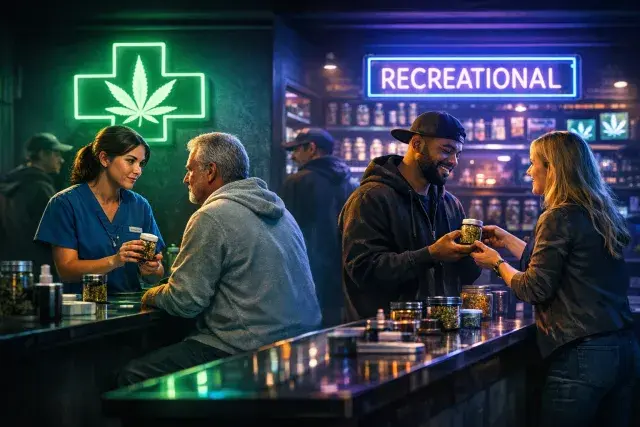
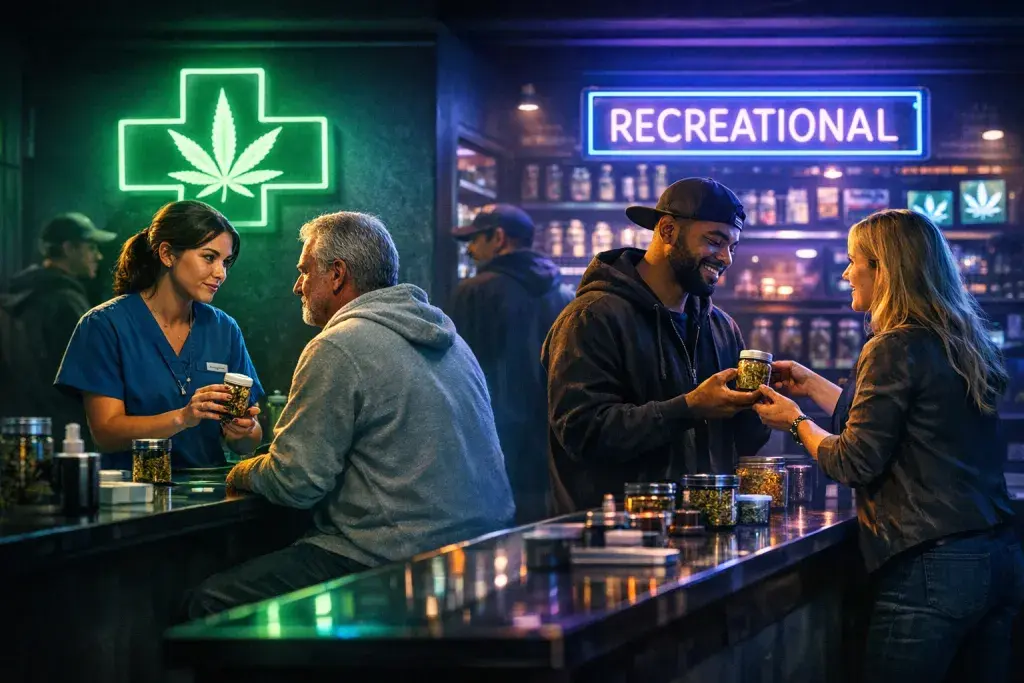
All nine Fine Fettle cannabis dispensaries in Connecticut will open as hybrid facilities on Thursday, welcoming both medical patients and adult-use customers under a new state law. Company leaders describe the shift as a step toward greater access and equity in cannabis care. The change stems from recent regulatory updates that permit recreational retailers to integrate medical services.
Regulatory Shift Enables Hybrid Model
Connecticut's legislature and Department of Consumer Protection approved rules allowing licensed recreational cannabis businesses to convert into hybrid dispensaries. This addresses gaps in medical marijuana access, where patients previously faced limited options or long travel distances. Fine Fettle, with locations in Manchester, Norwalk, Old Saybrook, Waterbury, West Hartford, and other areas, completed the conversion across its entire Connecticut network.
Company Leaders Emphasize Patient-Centered Care
Benjamin Zachs, Fine Fettle's chief operating officer, stated that the hybrid model fulfills the company's mission of accessible, compassionate care. "By bringing all of our locations under a hybrid model, we can serve patients and customers alike—without sacrificing the quality, expertise, and personal touch that define Fine Fettle," he said. Zachs highlighted efficiency and equity, noting that patients should not travel far for care or settle for restricted choices.
Broader Context in Cannabis Market Evolution
Connecticut legalized recreational cannabis sales in 2021, following medical marijuana authorization in 2012. The hybrid provision builds on this framework, strengthening the state's medical program amid growing recreational demand. Fine Fettle operates retail locations in Massachusetts and Georgia, where similar dynamics influence service models. This expansion promises to bolster medical access in underserved regions while maintaining rigorous standards for both patient groups.
Implications for Access and State Programs
The transition supports Connecticut's medical marijuana program by integrating it with the recreational market, potentially reducing wait times and geographic barriers. Zachs credited state officials for enabling the change, which allows responsible service to diverse customers. As hybrid operations roll out, the model could set a precedent for balancing medical priorities with commercial growth across the Northeast cannabis landscape.