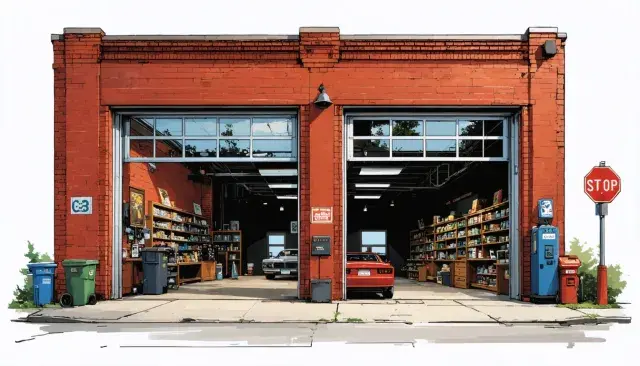
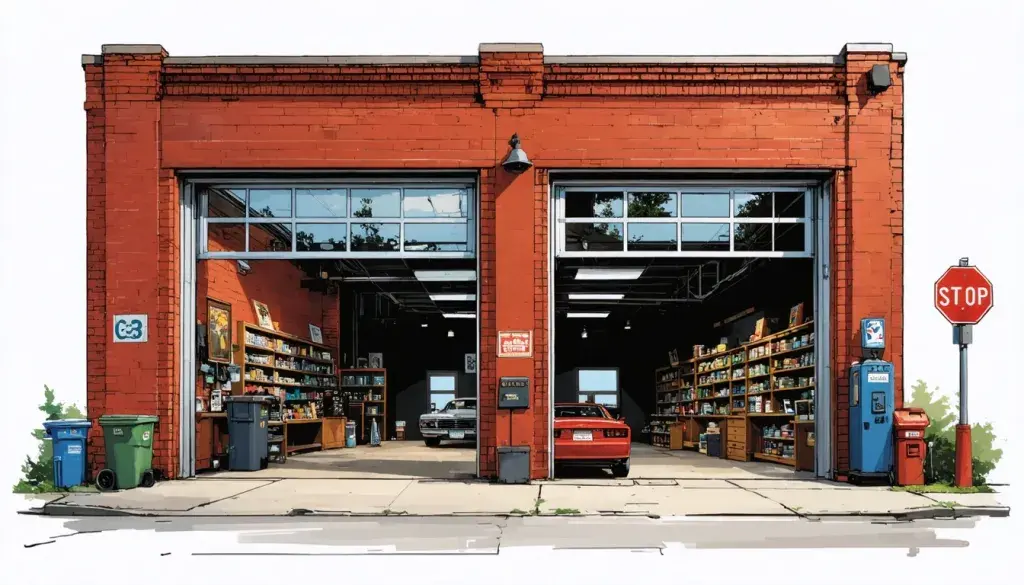
On Monday night, the Village of Pinckney Council greenlit a special land use request for the vacant old fire station at 1066 East Main Street, positioning it to become the area's inaugural marijuana retailer. This decision breathes new life into a long-dormant building in the Secondary Business District, signaling how cannabis expansion is revitalizing small-town economies amid Michigan's maturing legal market.
Key Project Details and Applicant Background
The applicant, QPS Michigan Holdings LLC—operating under the C3 Provisioning brand and owned by Carney Enterprises of Michigan LLC—plans minimal changes to the fire station's footprint. No expansions are proposed; instead, the focus is on interior upgrades for retail use, plus added rear parking and stormwater enhancements. Representing the firm, local advocate Bob Phillips highlighted their established footprint: ten Michigan stores across cities like Ironwood, Grand Rapids, and Kalamazoo, plus 31 outlets in six states, soon expanding to seven.
- Company operational for six years, emphasizing professional standards.
- Original license application submitted in 2021, updated per village requirements.
- Site meets all zoning guidelines in the business district.
Village Approval Process and Conditions
Building on the Planning Commission's conditional recommendation, Council unanimously approved the request, with Village President Jeff Buerman praising it as an ideal building rehab. No public opposition surfaced, and members only queried the company's other Michigan sites. Crucially, this permits only the land use; no village marijuana licenses are available yet. Approval hinges on two conditions:
- Updated prequalification from the State of Michigan Cannabis Regulatory Agency.
- Innovative stormwater management aligning with the Village Master Plan's green infrastructure goals.
Separately, the Council eyes renewing—or revoking—The Means provisioning center license at the old Pinckney Elementary School, which stalled despite early approval as Livingston County's first.
Broader Implications for Pinckney and Cannabis Trends
This repurposing exemplifies how Michigan's 2018 adult-use legalization has spurred over 700 licensed retailers statewide, generating $500 million in tax revenue last year alone while creating 20,000 jobs. For Pinckney, it counters vacancy blight, boosts property values, and draws foot traffic to Main Street without aggressive expansion. Yet, it underscores regulatory caution: license scarcity and renewals like The Means highlight communities balancing economic upsides against oversaturation risks. As cannabis normalizes, such projects foster sustainable growth, blending historic preservation with a $3 billion industry poised for further suburban penetration.