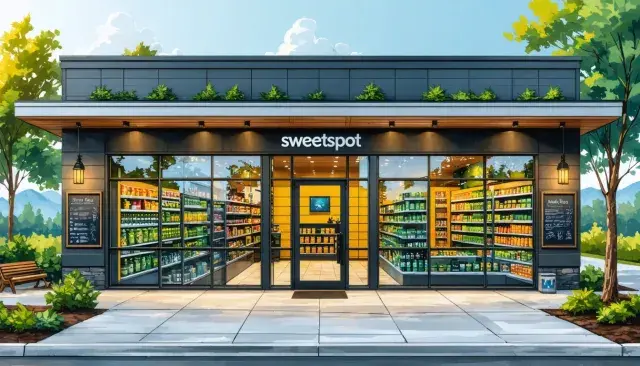

On June 4, 2025, workers at Sweetspot cannabis dispensary in Olney, Md., unanimously ratified their inaugural union contract with UFCW Local 400, marking a pivotal win for labor in Maryland's burgeoning cannabis sector. This agreement elevates workplace standards amid rapid industry growth, offering tangible improvements in compensation and job security that could set a precedent for others.
Key Gains from the Collective Bargaining Agreement
The contract delivers concrete enhancements tailored to dispensary workers' needs, addressing common pain points like inconsistent scheduling and limited benefits in the cannabis retail space. Workers like Kai D., a year-and-a-half veteran at Sweetspot, highlighted how these changes transform the workplace into a more sustainable career path.
- $2.00/hour increase in starting pay
- Guaranteed raises every six months
- Time and a half on Sundays
- Three extra holidays per year
- Comprehensive vision, dental, and health insurance
- Guaranteed employee discounts
- Seniority privileges and just cause protection against unfair discipline
These provisions not only boost take-home pay—potentially adding thousands annually—but also introduce stability in an industry often criticized for high turnover and exploitative practices.
Union Momentum Builds in Maryland's Cannabis Landscape
Sweetspot Olney staff unionized with UFCW Local 400 in September 2024, joining a surge of organizing efforts across the state. This mirrors successes at another Sweetspot in Exeter, R.I., with UFCW Local 328, and local spots like Apothecarium in Burtonsville and Cumberland, Story Cannabis in Hyattsville and Mechanicsville, Potomac Holistics in Rockville, Zen Leaf in Germantown and Towson, PharmaCann Verilife in Westminster, and MaryMed in Hurlock.
Maryland's cannabis market, legalized for adult use in 2023, has exploded with over 100 dispensaries, employing thousands. Yet, pre-union wages hovered near minimum, with scant benefits despite health risks from constant product handling and customer interactions. Unions are bridging this gap, drawing from retail precedents to professionalize roles.
Implications for Workers and the Industry Ahead
This ratification signals rising worker power in cannabis, an industry projected to hit $50 billion nationally by 2026. Higher standards could reduce turnover—currently 40-50% annually in dispensaries—improving service quality and safety, as trained, secure staff better manage compliance and customer education on product effects.
For Maryland, it underscores labor's role in equitable growth post-legalization, potentially pressuring non-union shops to match benefits. As more locals organize via UFCW's cannabis initiative, expect wage floors to rise, fostering a healthier workforce amid cultural shifts toward normalized, regulated consumption.