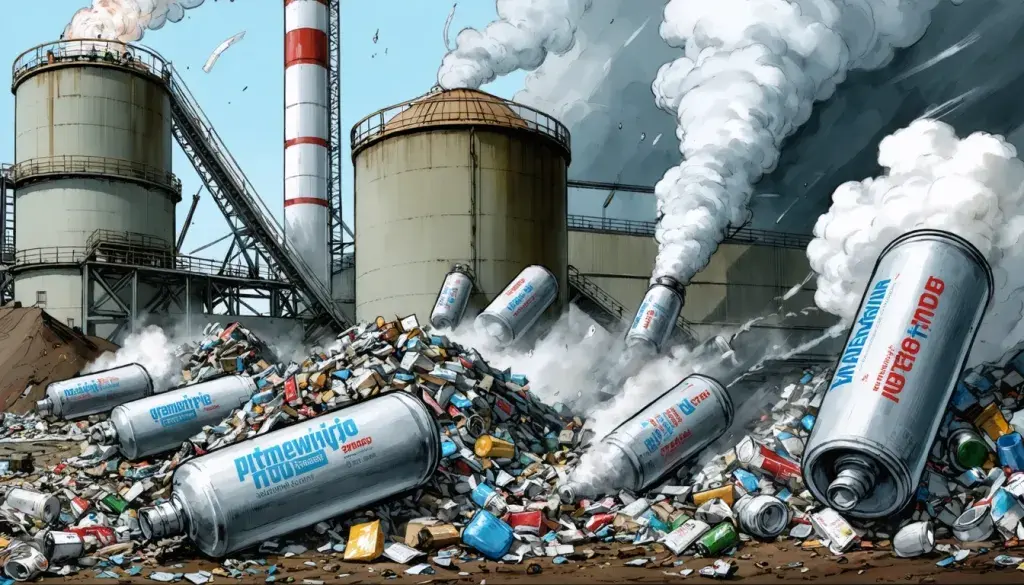
Metro Vancouver waste facilities are grappling with a surge in nitrous oxide canisters—commonly masquerading as whipped cream chargers—that are exploding amid regular garbage, posing serious risks to workers and equipment. This issue, highlighted at a Coquitlam facility tour last Friday, underscores the dangers of recreational drug misuse infiltrating everyday waste streams.
The Surge in Hazardous Waste
Paul Henderson, Metro Vancouver's general manager of solid waste services, reports that these high-pressure canisters, some holding up to three liters, have flooded the waste-to-energy plant in Burnaby over recent months. Tossed into standard garbage, they damage machinery and detonate during processing, halting operations. One recent load contained 15 cylinders scattered throughout, illustrating the scale of the problem.
- Canisters exceed typical whipped cream sizes, hinting at non-culinary use.
- Similar issues plague European facilities, signaling a global trend in recreational nitrous oxide abuse.
- Health Canada's recent recall flags products like "Bamboozle," "Primewhip," and "GreatWhip Max Cream Charger" sold at vape shops.
Health Risks Beyond Explosions
Nitrous oxide, or laughing gas, delivers a brief euphoric high when inhaled, but repeated use risks severe neurological damage, vitamin B12 deficiency, and oxygen deprivation. Public health experts note its rise parallels vaping and synthetic cannabinoid trends, where legal facades mask illicit highs. In waste contexts, the real peril lies in pressurized explosions—far more volatile than propane—threatening worker safety without reported injuries yet.
Safe Disposal and Regulatory Pushback
Metro Vancouver now accepts punctured or valved-off canisters at recycling depots, urging residents to avoid garbage bins entirely. Henderson has sought federal confirmation on the illegality of these sales, following Health Canada's border seizures and consumer warnings issued less than a month ago.
- Remove valves or puncture to release pressure before drop-off.
- Do not recycle or trash intact; immense internal pressure amplifies hazards.
- Prevalence dipped post-crackdown, but vigilance remains essential.
Implications for Public Safety and Policy
This crisis reflects broader societal shifts toward disguised recreational drugs, evading regulations via food product branding. As urban waste systems strain under such loads, it demands tighter import controls, public education, and retailer accountability. Without swift action, Metro Vancouver's experience could foreshadow disruptions elsewhere, blending environmental management with the fight against inhalant epidemics.