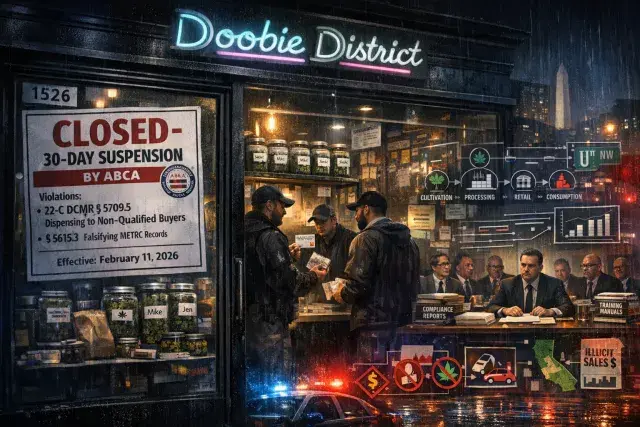

In a stern enforcement move, the Maryland Cannabis Administration has hit MESHOW, LLC—operator of the RISE Joppa dispensary—with a $100,000 civil penalty via a February 2, 2026, Consent Order. This action caps investigations from inspections spanning October 2024 to November 2025 in Joppa, Maryland, spotlighting why rigorous oversight remains vital in the state's burgeoning adult-use cannabis market, now valued at over $1 billion annually, to safeguard consumers and prevent diversion.
Repeated Oversales and High-Potency Violations
Inspectors uncovered persistent breaches of sales limits, including multiple single-day sales exceeding 12 grams of concentrates and repeated oversales of infused edibles. More alarmingly, the dispensary sold high-potency edibles—over 10mg THC per serving or 100mg per package—to adult-use customers, products reserved strictly for medical patients. Sales to patients with expired certifications compounded these lapses, underscoring gaps in point-of-sale verification amid Maryland's dual medical-adult-use framework launched in 2023.
Inventory Manipulation and Tracking Shortfalls
Core issues centered on the METRC seed-to-sale system, where physical inventory mismatched digital records. In one October 2024 case, the then-general manager allegedly instructed "fake purchases"—simulated transactions without product or payment—to reconcile discrepancies, evading mandatory reporting. Video evidence confirmed this improper practice, though no theft occurred. Additional failures included undocumented green waste adjustments and delayed notifications of staff terminations, eroding trust in inventory controls essential for tracing products from seed to shelf.
- Products listed in METRC absent from shelves
- Fake transactions to "zero out" lots
- Inadequate green waste documentation
- Non-compliance with agent termination reporting
Enhanced Penalties and Corrective Mandates
Despite a prior corrective plan, violations persisted through 2025 follow-ups. The Consent Order mandates sweeping reforms:
- METRC training for all agents within 45 days
- 18 months of monthly third-party audits
- New compliance self-assessment software in 30 days
- Revised standard operating procedures for approval
- Full METRC inventory reconciliation
Repeat offenses within 18 months risk probation or suspension, signaling regulators' zero-tolerance stance.
Broader Implications for Cannabis Regulation
This case highlights growing pains in Maryland's cannabis sector, where rapid expansion—over 400 dispensaries serving 1.5 million medical patients and surging adult-use sales—strains compliance. Faulty POS-METRC integrations, as cited here, plague many operators, but such shortcuts invite risks like unintended oversupply fueling impairment or black-market leaks. Strong enforcement fosters a mature industry prioritizing public health, much like alcohol regulations post-Prohibition, ensuring safe access while curbing excesses in a market projected to hit $2 billion by 2028.