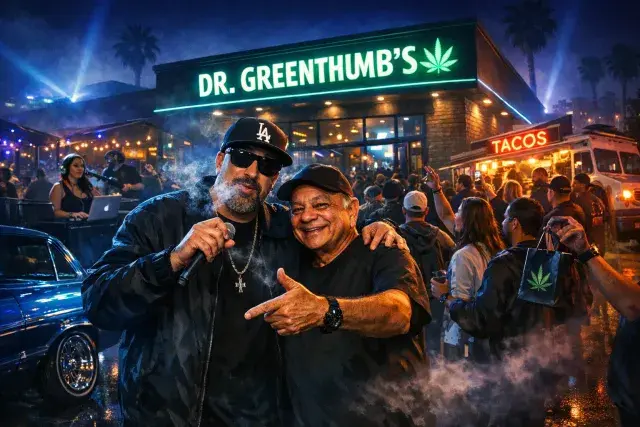
On the morning of November 7, Cypress Hill's B-Real made an unannounced stop at The Flower Mine - the licensed cannabis cultivation facility operated by The Flower Shop in San Manuel, Arizona - before his team flew out to Phoenix following a performance the previous night. The visit offered a rare, firsthand look at how a celebrity cannabis brand partnership translates from a licensing agreement into actual seed-to-sale production, and it raised a useful question for brand operators watching Arizona's regulated market: how tight does your cultivation partnership actually need to be?
A Partnership That Reaches the Packaged Product
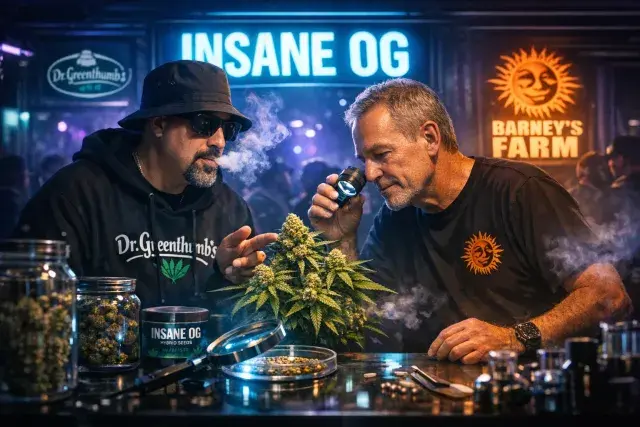
The Flower Shop selected Dr. Greenthumbs - B-Real's cannabis brand - as a cultivation and production partner in 2023. Since that agreement, all Dr. Greenthumbs cannabis sold in Arizona has been grown and packaged at The Flower Mine in San Manuel. That's a meaningful operational detail. In many celebrity cannabis brand arrangements, the licensed operator handles production while the brand provides little more than a name and a logo. What the November visit suggested is something more hands-on. B-Real arrived with his team, was walked through the facility's daily production workflow by The Flower Shop's President and COO Cody Phillips - with Director of Production Seth Richardson and Head of Cultivation Tyler Jones assisting - and saw the product move through to Dr. Greenthumbs branded packaging before leaving.
Later that day, on an episode of The Dr. Greenthumb Show, B-Real described the experience directly: "I went to the cultivation partner this morning, and man they are doing it on a whole other level out there man. They got their system pretty tight." The comment wasn't scripted marketing copy. It came off a same-day flight from San Manuel to a recording studio - which, for what it's worth, is about as unvarnished a supply chain review as a brand partner is likely to give publicly.
What Brand Licensing Actually Requires in a Regulated Market
Arizona operates under an adult-use framework that places specific obligations on licensed producers - not brand names. The license lives with the cultivator and the dispensary operator, not the celebrity. That means The Flower Shop carries the compliance weight: maintaining cultivation records, meeting testing requirements before any product moves to retail, ensuring compliant packaging with required labeling, and staying current with state-mandated seed-to-sale tracking through the state's cannabis control systems.
For a brand like Dr. Greenthumbs, the relationship with a cultivation partner isn't just a quality preference - it's a structural necessity. Without a licensed cultivator willing to grow, test, package, and distribute under the brand's specifications, there's no product in the market. The branding is contingent on the operator's license remaining in good standing. That dependency runs in both directions, though. The cultivator takes on production costs, compliance risk, and operational overhead. In exchange, a recognizable brand can drive retail pull-through and wholesale demand - neither of which is guaranteed in a market where shelf space at dispensaries is increasingly competitive and buyers weigh SKU performance carefully.
San Manuel as a Production Hub: The Operational Picture
The Flower Mine's location in San Manuel - a small community in Pinal County - puts it well outside the major metro corridors of Phoenix and Tucson. B-Real and his team flew in via the Ray Blair Airport, which gives some sense of the facility's removed geography. That distance from population centers is actually common among cannabis cultivation operations in Arizona; large indoor grows require substantial square footage, controlled environments, and significant utility infrastructure, all of which are more accessible - and often more cost-effective - outside urban zones.
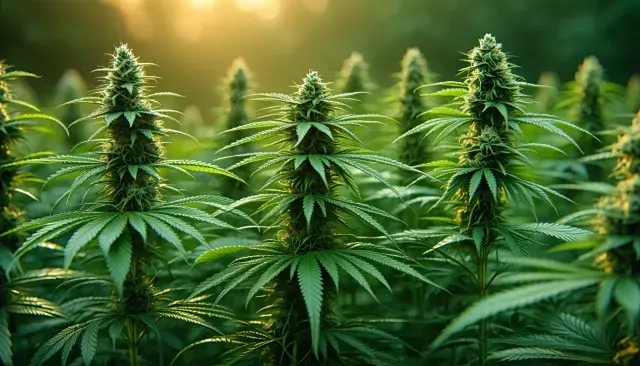
Running a compliant indoor cultivation facility at commercial scale involves considerably more than growing. Facilities like The Flower Mine are managing canopy capacity, nutrient and pest control programs, harvest scheduling, drying and curing processes, and post-harvest quality checks that feed into lab testing before a certificate of analysis (COA) clears product for sale. After testing, compliant packaging - child-resistant, labeled to state specifications, and carrying required potency and warning information - is applied before product moves through the wholesale chain to retail shelves.
That's a long chain of operations between a seedling and a Dr. Greenthumbs labeled package on a dispensary shelf. The fact that B-Real was walked through the full sequence in a single visit says something about how The Flower Shop has structured its production floor - and about the value of transparency between brand partner and licensed operator when both have a commercial stake in the outcome.
What This Signals for Brand-Operator Partnerships in Arizona
Celebrity cannabis brands face a real credibility problem in regulated markets. Consumers and retail buyers have seen enough product under a famous name that turned out to be generic wholesale repackaged under a signature logo. The operators who built those deals often moved on quickly. The brands that have held retail traction tended to be those where the named partner maintained some genuine involvement in quality oversight - not just in marketing, but in the production relationship itself.
A tour of the grow facility doesn't resolve every question a wholesale buyer or dispensary operator might have about a brand. COAs, batch consistency, and wholesale pricing terms matter more to a purchasing manager than any amount of brand story. But a cultivation partner willing to open its production floor to the brand owner - and a brand partner willing to make the trip to San Manuel on a travel day - reflects a working relationship with some operational substance behind it. In a market where brand proliferation has made product differentiation harder, that kind of supply chain visibility is worth something.