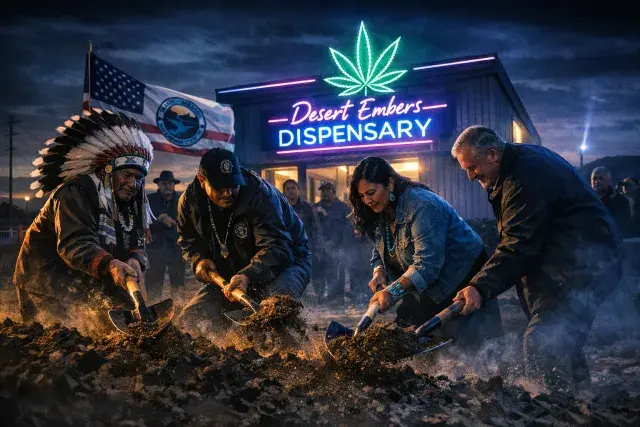
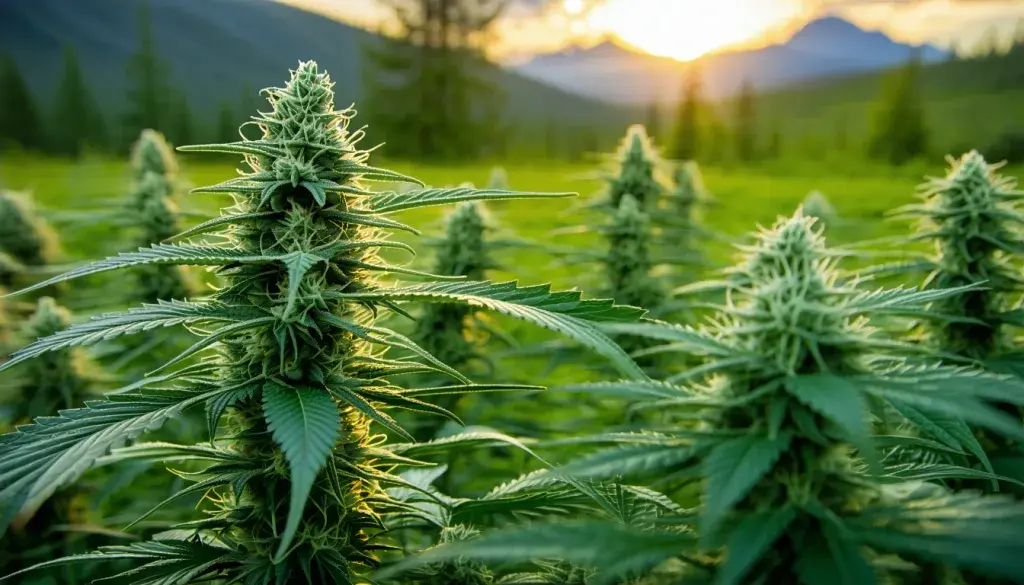
The Fallon Paiute Shoshone Tribe marked a significant economic shift last Friday, breaking ground on a tribally owned cannabis dispensary at the southwest corner of Bottom Road and the Reno Highway, west of Fallon, Nevada. Dubbed Desert Embers, the facility is expected to open within roughly two months - first as a modular structure, with a permanent building planned to follow. For a tribe that had long been cautious about entering the cannabis market, the ceremony signals a deliberate turn toward sovereign economic development.
A Measured Entry Into an Established Market
Cody Downs, president of the Fallon Tribal Development Corporation board, was candid about the tribe's earlier hesitance. The Fallon Paiute Shoshone Tribe and its members weren't early adopters - concerns about cultural perception, federal law, and community impact kept the idea at arm's length for years. What changed, Downs said, was evidence from neighboring towns and tribal councils: regulated dispensaries weren't producing the crime spikes or social disruptions that skeptics anticipated. That's a pattern that has played out broadly across Nevada and other western states where cannabis was legalized, and it apparently carried weight here.
The project will open in a prefabricated building positioned at the rear of the property - practical, if not glamorous - while the tribe develops plans for a permanent structure. There's no fixed timeline for the permanent build yet, but the two-month target for the initial facility is firm enough that Fallon Mayor Ken Tedford showed up for the ceremony alongside tribal council members. That kind of local civic presence matters; it signals that the dispensary isn't arriving over anyone's objections.
Sovereignty, Compacts, and the Legal Architecture Behind It All
Here's where the legal backdrop gets genuinely interesting. Federally recognized tribes occupy a complicated position in the cannabis economy. Marijuana remains a Schedule I controlled substance under federal law - meaning, technically, that tribal land exists in a legal gray zone where state cannabis rules don't automatically apply. Nevada addressed this directly by allowing tribes to negotiate compacts with the state, effectively bringing tribal cannabis operations under the state's regulatory framework on a negotiated, consent-based basis.
For the FPST, that compact structure offers both a practical and a political advantage. The tribe maintains its sovereign standing while operating within a regulated system that brings legitimacy, licensing clarity, and consumer trust. Downs was explicit: "We'll follow the guidance of the state," he said - not because the tribe is required to by federal preemption, but because compliance is the sound operating posture when you're building a business from scratch in a heavily scrutinized industry. State oversight, in this context, is less a constraint than a shield.
What the Revenue Actually Buys
Strip away the ceremony, and the core logic here is economic. Tribal governments have limited tax bases and often operate critical social services - housing assistance, healthcare, language preservation programs, elder care - on constrained budgets. Cannabis dispensaries, when well-run and well-located, generate meaningful tax revenue and direct employment. Downs put it plainly: jobs for tribal members, revenue directed to central tribal services.
The site location is worth noting on its own terms. The Reno Highway corridor west of Fallon draws steady traffic; a dispensary positioned there captures both local customers and transient demand from travelers. That's not accidental placement - it's commercial logic applied to tribal development. And given that Nevada's cannabis market has matured considerably since recreational legalization in 2017, Desert Embers enters with the benefit of an established consumer base and a regulatory environment that has had years to work out its roughest edges.
The thing is, tribal economic development through cannabis isn't novel nationally - several tribes across California, Washington, and other states have moved in this direction - but each entry is locally significant. For a community historically pushed to the economic margins, owning a revenue-generating commercial enterprise on sovereign land is something with meaning beyond the quarterly receipts. Downs said as much: "tribally owned, tribally led, and tribally empowered." That framing isn't incidental. It's the point.