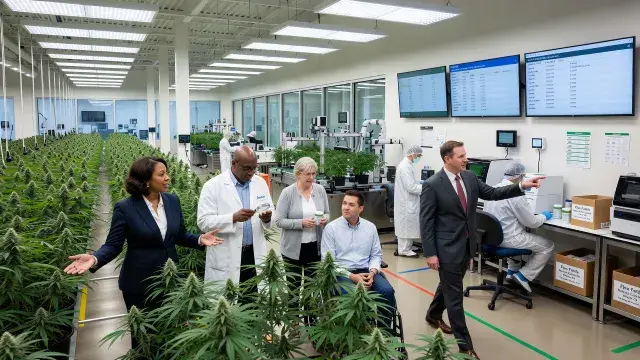
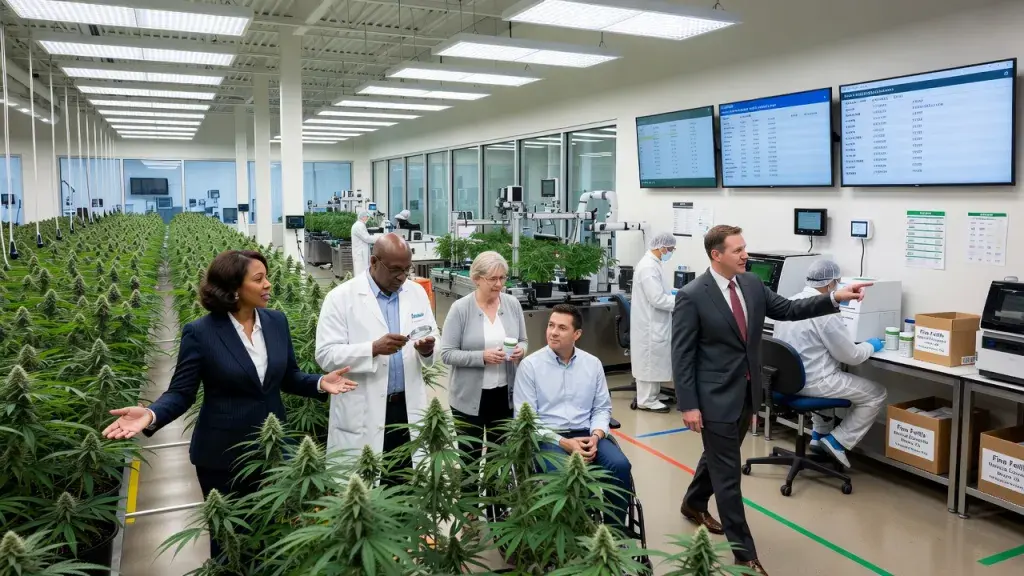
MACON-BIBB, Ga. - A decade after Georgia legalized medical cannabis, the program remains narrower than supporters wanted, and the latest attempts to expand it have stalled in the legislature again. Fine Fettle, one of only three licensed producers in the state, opened its Macon cultivation and manufacturing facility to lawmakers, physicians, and patients this month in an effort to move the conversation forward before the next session.
The tour matters because most of the resistance to expansion isn't about whether cannabis works for patients - it's about how comfortable regulators are with the production chain behind it. Judson Hill, market president of Georgia Fine Fettle, framed the visit as an education exercise: show legislators the grow rooms, the manufacturing lines, the batch records, and let doctors and patients fill in the rest. That kind of transparency push is common in newly regulated markets, where operators lean on seed-to-sale visibility to make the case that a licensed, tracked supply chain looks nothing like the unregulated market lawmakers still associate with cannabis. States further along in program maturity, including systems built around the metrc cannabis traceability system virginia now uses for its own medical and hemp markets, have leaned on similar tracking infrastructure to reassure skeptical policymakers that compliant products can be produced consistently and verified batch to batch. metrc cannabis traceability system virginia
State Representative Anissa Jones, who joined the tour, said seeing the operation firsthand changed her sense of the program's rigor - it's a controlled, repeatable process, not loosely grown product moving through informal channels. That distinction is the whole argument for compliance infrastructure in cannabis: dispensaries and producers operate under lab testing requirements, compliant packaging rules, and inventory tracking precisely so regulators and patients can trust that what's on the shelf today matches what tested clean last month.
What the Stalled Bills Would Have Changed
Senate Bill 220 and House Bill 227 both aimed to widen patient access - easing the path to a medical cannabis card and updating allowable product forms so patients could get more clinically useful formulations. Neither bill made it out of its chamber this session. For operators, that means the product menu stays fixed and the patient pool stays smaller than it could be, which has direct consequences for wholesale volume, dispensary throughput, and the economics of running a vertically integrated license in a market capped at three producers.
The Access Gap Doctors Are Flagging
Dr. Elmore Alexander, who took part in the facility tour, said the current product lineup serves a majority of patients but leaves a meaningful minority without adequate options. He argued that expanding allowable forms and opening the program further would let more of that harder-to-treat population access appropriate treatment. That's a compliance and formulation problem as much as a medical one: product form restrictions written into state law directly limit what a licensed manufacturer can legally produce, regardless of demand or clinical judgment.
Why This Matters Beyond Macon
Limited-license medical markets like Georgia's operate under tighter constraints than adult-use states - fewer operators, narrower product categories, and slower legislative movement. For the three licensed producers, that scarcity can mean steadier margins, but it also means the entire program's credibility rests on a handful of facilities operating cleanly. Tours like this one are, in effect, a compliance sales pitch aimed at the people who write the rules. Whether it moves the next bill further than SB 220 or HB 227 got is, fair enough, still an open question.