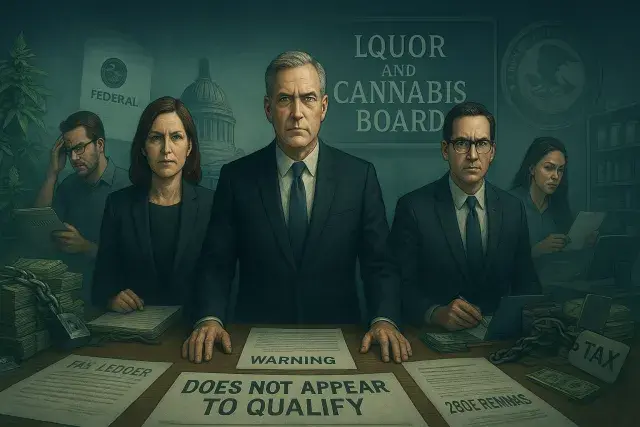
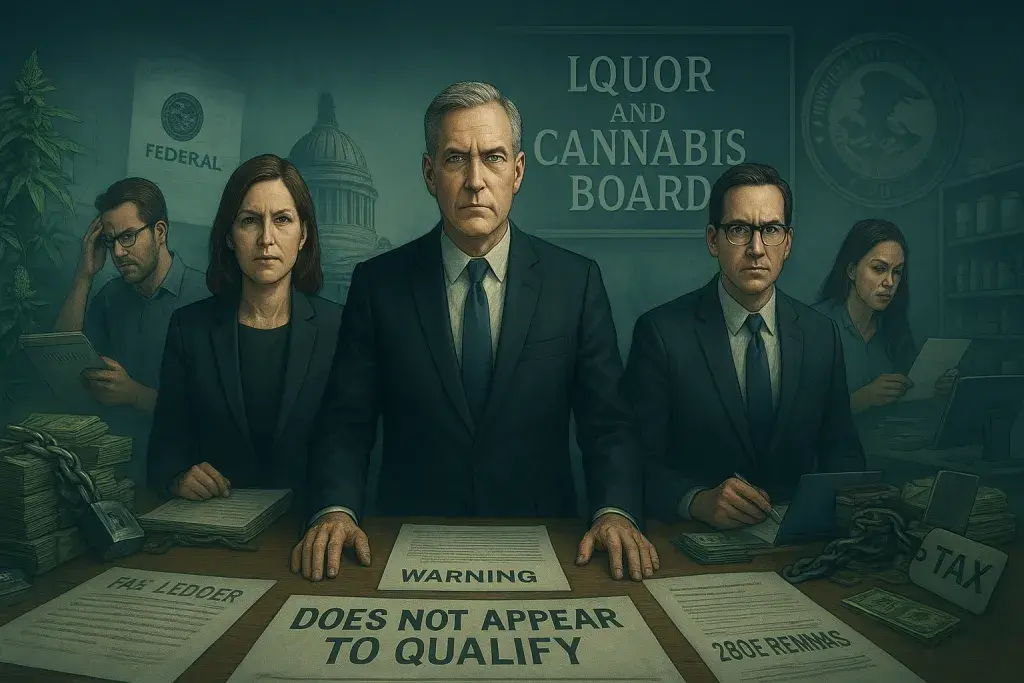
Washington state's Liquor and Cannabis Board has delivered a pointed reality check to its licensees: the Trump administration's April order reclassifying marijuana from Schedule I to Schedule III of the Controlled Substances Act almost certainly does not extend to businesses operating under Washington's licensing framework. The LCB published formal guidance this week spelling out why, and the answer comes down to a structural mismatch - one with real consequences for operators hoping to shed the 280E tax burden that has constrained cannabis businesses for years. The stakes are high, and the timeline is anything but settled.
The Structure Problem Washington Cannot Argue Its Way Around
Here's the catch. The DOJ's rescheduling order specifically covers state-licensed medical cannabis businesses and FDA-approved marijuana products. Washington, unlike states that maintain separate medical and adult-use licensing tracks, operates a unified recreational market. Certain retailers within that market can sell Department of Health-compliant products to adult patients and designated providers - but the state does not formally license medical cannabis producers, processors, or retailers as a distinct category. That distinction matters enormously under the federal rule, which ties DEA registration eligibility to the designation "state medical marijuana licensee." Because Washington's licensees don't fit that label on paper, the LCB concludes they "do not appear to qualify" for the registration process that would unlock Schedule III benefits. Operators in states with discrete medical licensing structures - and those tracking compliance technology built around such distinctions, from seed-to-sale platforms to pos cannabis nevada systems designed for dual-market environments - are watching Washington's situation as a cautionary example of how market architecture can determine federal eligibility in ways nobody anticipated when those licensing frameworks were built.
280E Remains the Central Business Pressure
For dispensary operators and cannabis businesses across the country, rescheduling's most commercially significant promise has always been 280E relief. Under current federal tax law, state-licensed cannabis businesses cannot deduct ordinary business expenses - payroll, rent, utilities, marketing - because they handle a Schedule I controlled substance. The effective tax burden that results bears no resemblance to what a comparable non-cannabis retailer faces. Moving to Schedule III was supposed to change that. For Washington licensees, the LCB's guidance suggests that relief may not materialize automatically, or even at all, without further federal action or a deliberate determination by DOJ that Washington's market structure qualifies. The LCB is direct about its own limits here: the question of 280E applicability "is with the federal government and not with the state of Washington." Olympia cannot grant its licensees a federal tax break. That decision rests with DOJ, IRS, and Treasury - and the LCB explicitly acknowledges that Washington may have no formal input into the outcome.
What Operators Should - and Should Not - Do Right Now
The LCB is not telling its licensees to stand down entirely. The agency states it is "not taking a position to prevent licensees from applying for federal registration if they choose," and that it would want to hear from any licensee who does apply and receives a federal response. That's a measured hedge - the agency isn't closing any doors, but it's also declining to tell businesses that applying is likely to succeed. What's striking here is the candor. The LCB notes that its current analysis does not represent Washington's formal legal position, that it consulted with the Cannabis Regulators Association and the National Governors Association before publishing, and that everything may shift pending the upcoming DEA administrative hearing and ongoing litigation challenging the rescheduling move. The Treasury and IRS have indicated they plan to issue tax guidance for the marijuana industry following rescheduling - but that guidance hasn't arrived yet, and its scope remains unclear. California, by contrast, has already adopted emergency licensing rule changes specifically designed to help its businesses qualify under the federal order. Washington is not doing that - at least not yet.
A Fluid Situation With a Fixed Business Cost
The LCB's guidance is a snapshot, not a final answer. Federal proceedings are ongoing, additional agency guidance is expected, and the administrative hearing on broader Schedule III reclassification has not yet concluded. For Washington licensees, though, time spent waiting is money spent under 280E. Compliance costs don't pause while regulators at multiple levels sort out jurisdictional questions. Multi-location operators carrying significant payroll, wholesale buyers managing inventory across multiple SKUs, and retailers calculating their excise tax exposure are all operating under the same structural disadvantage they were before rescheduling made headlines. The LCB's guidance at least gives operators an honest basis for planning - and a clear signal that assuming automatic federal benefit eligibility would be a costly mistake.